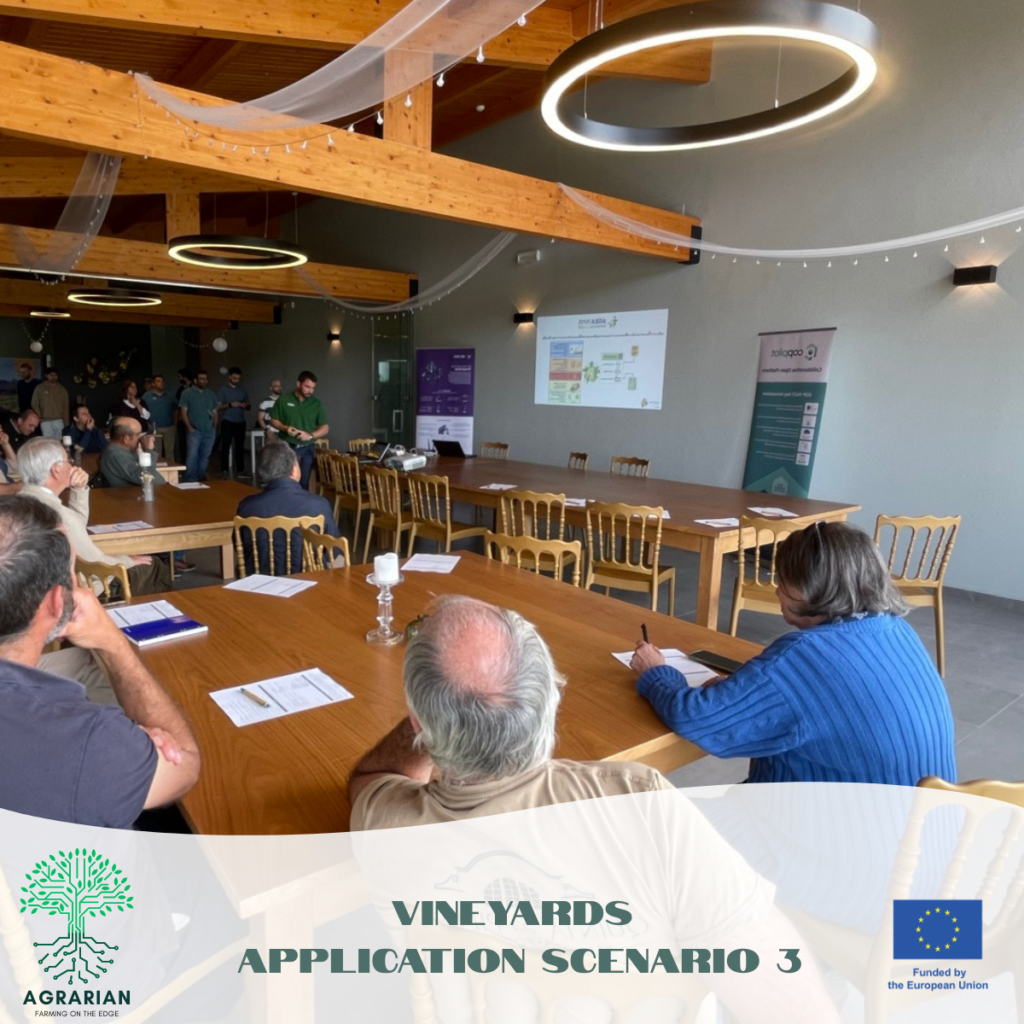
Last week, the AGRARIAN project achieved a significant milestone in its mission to bring high-speed intelligence to remote agricultural areas. Hosted by AVIPE, our third pilot event brought together 40 local farmers, researchers, and technology providers for a day of live, field-based demonstrations.
Real-World “Edge” Validation
The event focused on the practical application of the Space-Air-Ground Integrated Infrastructure. In many vineyards, connectivity is a major barrier to digital adoption. AGRARIAN solves this by processing data locally at the “Edge.”
Key Technology Showcased:
- AGRARIAN ADSS: Farmers explored a live dashboard showing real-time vineyard health.
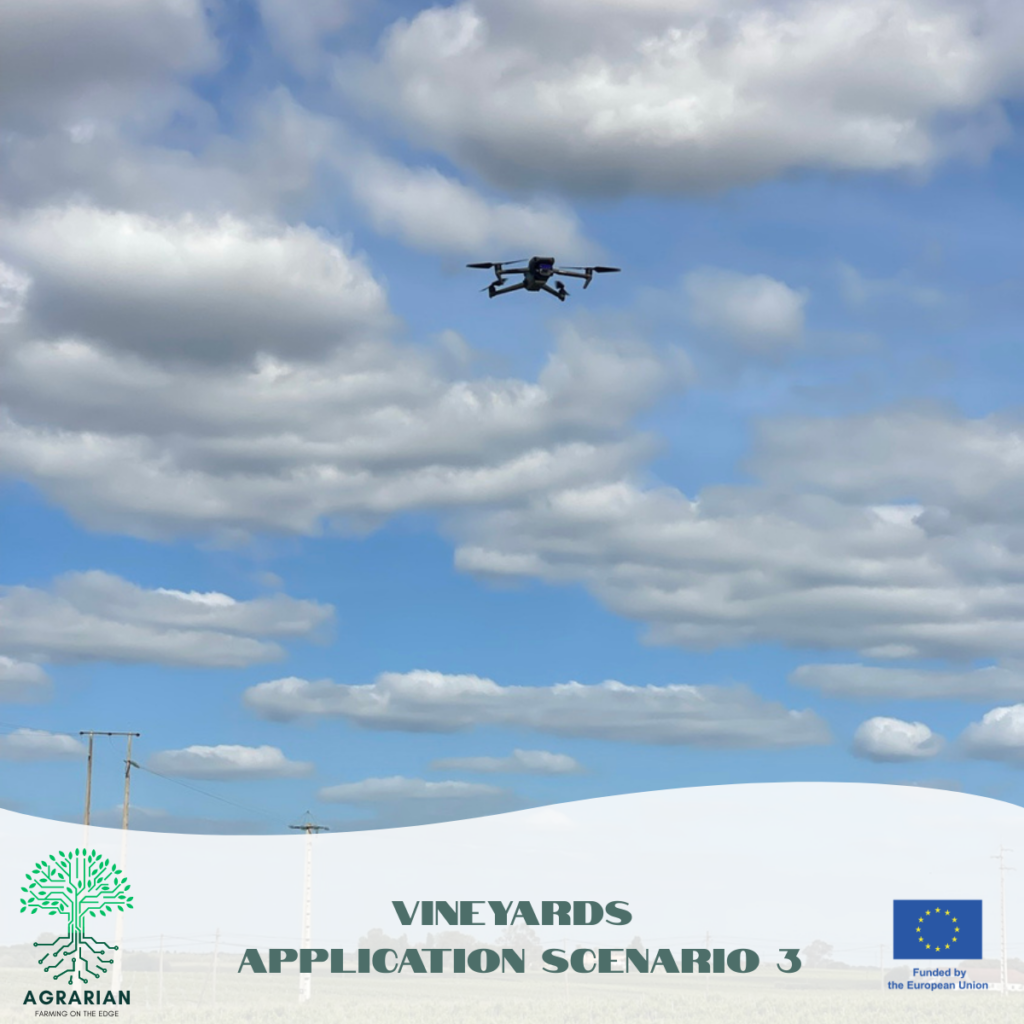
- Drone Analytics: We demonstrated high-resolution RGB and NDVI mapping. Crucially, the data was uploaded and processed on a local edge device, providing instant insights without needing an internet connection.
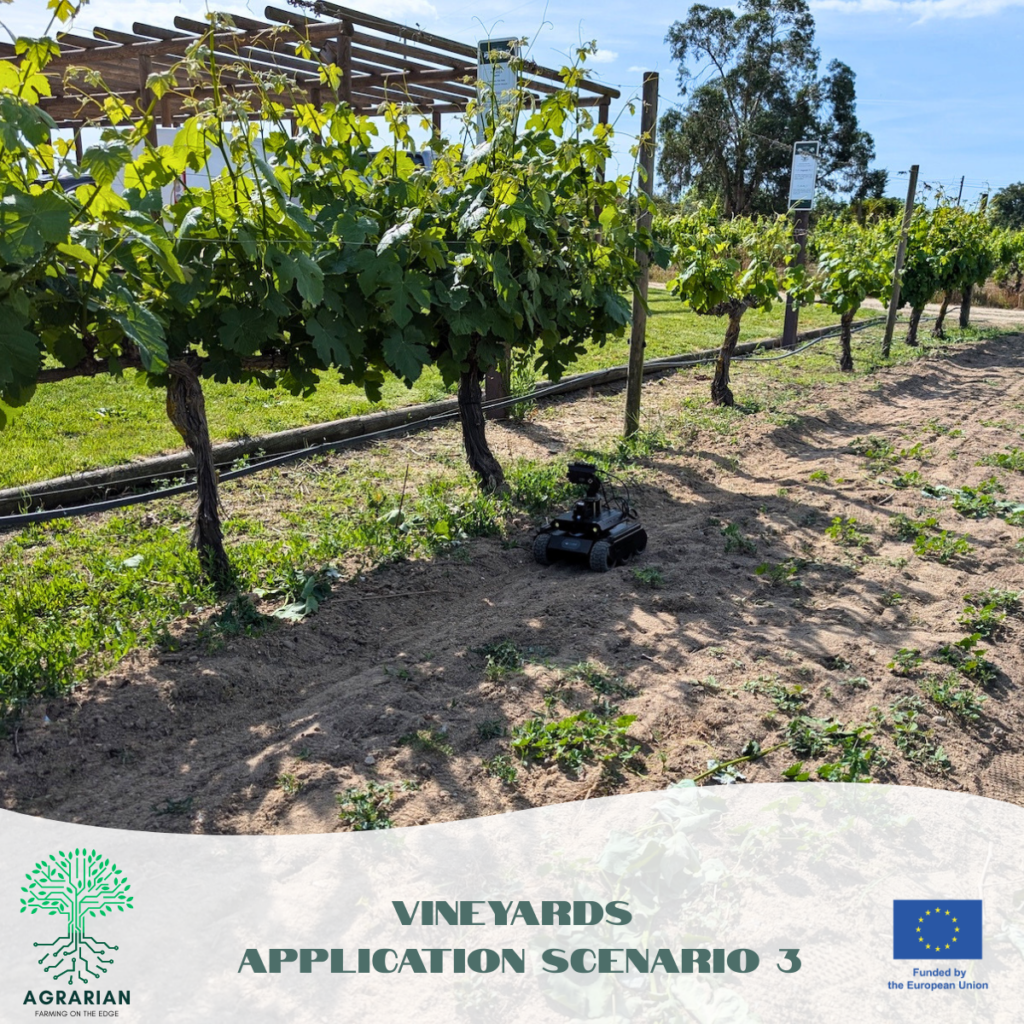
- Autonomous Operations: An autonomous ground robot was deployed to demonstrate row-by-row navigation and ground-level monitoring.
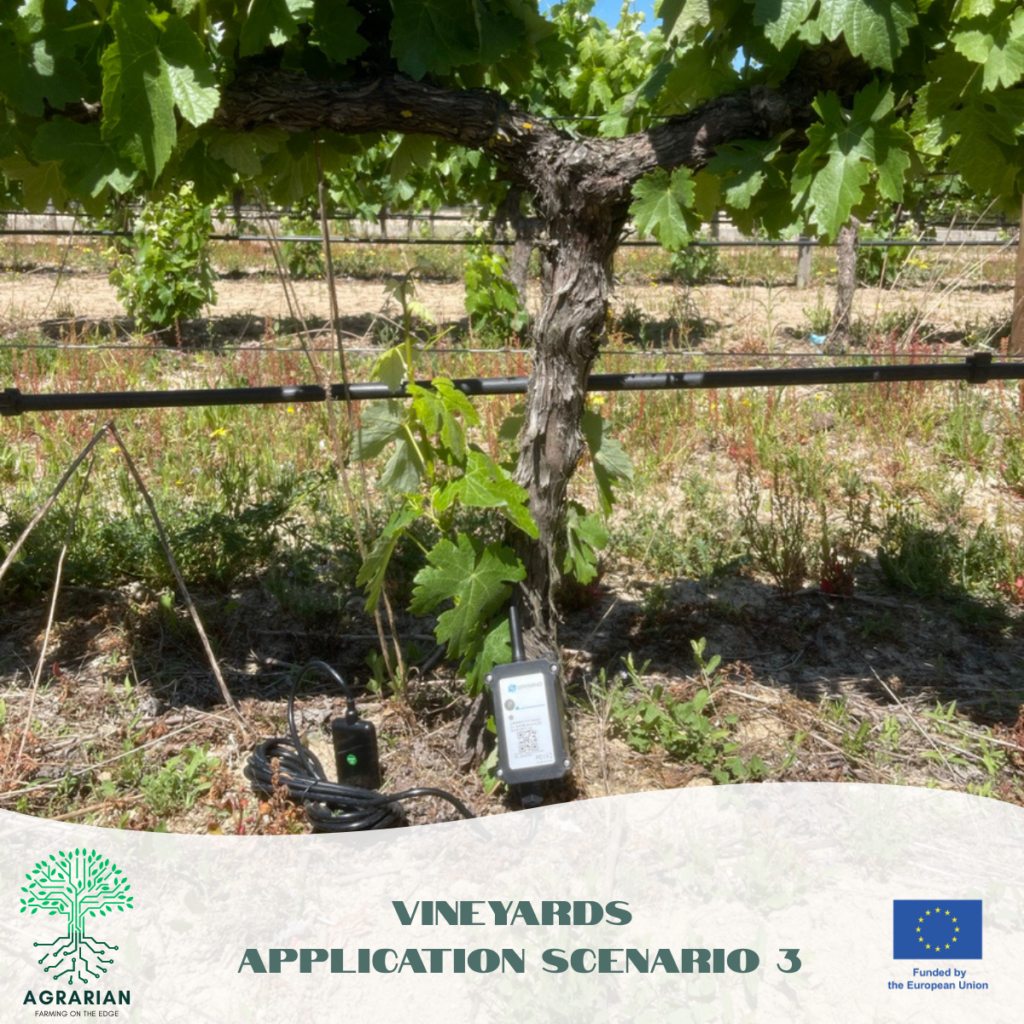
- The Aquaview Tool: Using LoRaWAN sensors, we showed how point-based soil moisture measurements are calibrated into broad, field-wide irrigation recommendations.
The Farmer’s Perspective
Technology is only successful if it is usable. During the event, we conducted four intensive interviews and distributed surveys to the 40 participating farmers. Initial results indicate high interest in the Yield Forecasting module, which predicted a 9.41 ton/ha harvest for the upcoming season.
This feedback is currently being integrated into our Exploitation Strategy to ensure that our top 3 market-ready assets solve the actual pain points of European growers.
Looking Ahead
The success of the AVIPE pilot provides the quantitative evidence (KPIs) needed for our upcoming M30 Preliminary Business Plan. By proving that drones, robots, and sensors can operate seamlessly in a “Last Mile” environment, AGRARIAN is setting the standard for the next generation of European agri-data ecosystems.